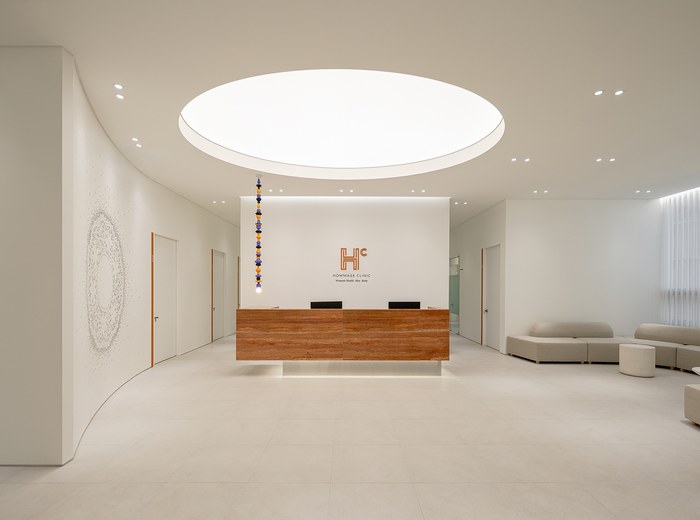
South Korea has established itself as a global leader in dermatological care, combining cutting-edge technology with decades of specialized expertise. Korean dermatology clinics attract over 600,000 international patients annually, according to the Ministry of Health and Welfare (MOHW), with dermatological treatments ranking among the top requested services. The country’s emphasis on skin health, supported by robust regulation through the Korean Academy of Medical Sciences (KAMS) and stringent licensing requirements, has created an ecosystem where advanced treatments are both accessible and competitively priced. For international patients from the United States, United Kingdom, Australia, Singapore, and Hong Kong, Korean dermatology clinics offer evidence-based treatments often unavailable or prohibitively expensive in home countries. This comprehensive guide addresses treatment options, cost considerations, safety verification protocols, and practical considerations for foreign patients seeking dermatological care in Seoul.
Why Korean Dermatology Clinics Lead Global Standards
Korean dermatology has evolved into a sophisticated medical specialty backed by substantial research output and clinical innovation. PubMed-indexed studies from Korean dermatology researchers have contributed significantly to understanding photoaging, pigmentation disorders, and laser technology applications. The country’s dermatology residency programs require four years of intensive training beyond medical school, with additional fellowship opportunities in subspecialties like cosmetic dermatology, laser medicine, and dermatopathology. The MOHW enforces strict continuing medical education requirements, ensuring practitioners maintain current knowledge of emerging treatments and safety protocols. Many leading Seoul dermatology clinics pursue Joint Commission International (JCI) accreditation, demonstrating commitment to international safety standards and patient care protocols. Korean clinics have pioneered techniques in non-ablative laser treatments, combination therapy approaches for melasma, and innovative delivery systems for active ingredients. The competitive marketplace has driven clinics to invest heavily in the latest FDA-approved and Korean MFDS-approved devices, often adopting new technologies years before they become standard elsewhere. This combination of rigorous training, regulatory oversight, research contribution, and technological investment creates a dermatological care environment that attracts discerning international patients seeking evidence-based treatments.
Common Dermatological Treatments Available in Seoul
Korean dermatology clinics offer comprehensive treatment portfolios spanning medical and aesthetic dermatology. Laser treatments include fractional CO2 lasers for acne scarring and skin resurfacing, Q-switched lasers for pigmentation and tattoo removal, and pulsed-dye lasers for vascular conditions and rosacea. Pigmentation treatments address melasma, post-inflammatory hyperpigmentation, and age spots using combination approaches including topical agents, chemical peels, and targeted laser therapy. Acne management programs combine medical-grade treatments with advanced extraction techniques, LED phototherapy, and prescription medications tailored to severity and skin type. Anti-aging treatments range from neuromodulators and dermal fillers to thread lifts, radiofrequency microneedling, and high-intensity focused ultrasound (HIFU) procedures. Scar revision encompasses both surgical and non-surgical approaches for acne scars, surgical scars, and keloid management. Skin tightening procedures utilize various energy-based devices including monopolar and bipolar radiofrequency systems. Hair restoration treatments include platelet-rich plasma (PRP) therapy, low-level laser therapy, and prescription medications. Medical-grade chemical peels range from superficial to deep penetration formulas. Each treatment category requires thorough consultation to determine candidacy, expected outcomes, and realistic timelines. International patients should request detailed treatment protocols, scientific rationale, and peer-reviewed evidence supporting recommended approaches before proceeding.
Cost Considerations for International Patients
Dermatological treatment costs in Seoul typically range from 30-60% lower than comparable services in the United States, United Kingdom, or Australia, though consultation is required for accurate pricing specific to individual cases. Laser treatments generally range from $150-$800 per session depending on treatment area and technology used, with most conditions requiring 3-6 sessions for optimal results. Injectable treatments including neuromodulators cost approximately $200-$400 per area, while dermal filler treatments range from $300-$800 per syringe depending on product type and injection complexity. Comprehensive acne treatment programs typically cost $500-$2,000 for complete courses including multiple modalities. Fractional laser resurfacing for acne scarring ranges from $400-$1,200 per full-face treatment, with 3-5 sessions commonly recommended. Thread lift procedures range from $800-$2,500 depending on thread type and number used. Medical-grade chemical peels cost $100-$500 per treatment. These ranges represent general market observations and vary significantly based on clinic reputation, physician experience, technology generation, and treatment customization. International patients should obtain itemized quotes including all associated costs such as consultation fees, anesthesia if applicable, post-treatment medications, and follow-up visits. Currency fluctuations affect final costs, and payment is typically required in Korean won, though many clinics accept major credit cards. Travel and accommodation costs should be factored into total treatment budgets. Consultation with licensed practitioners is essential for accurate cost estimation.
Verifying Credentials and Clinic Legitimacy
International patients must verify several critical credentials before committing to treatment at any Korean dermatology clinic. First, confirm the treating physician holds a valid dermatology specialist license issued by the MOHW, which can be verified through the Korean Medical Association database. Board certification in dermatology requires completion of an accredited residency program and passing rigorous examinations administered by the Korean Dermatological Association. Request information about the physician’s training background, years in practice, and specific expertise areas relevant to your condition. Verify the clinic’s business registration and medical facility license, both required for legal operation in Korea. Check whether the clinic maintains JCI accreditation or certification from the KAMS, indicating adherence to international standards for safety, hygiene, and patient care protocols. Investigate whether the clinic has international patient coordinators fluent in your language who can facilitate clear communication throughout the treatment process. Review the clinic’s policies regarding informed consent, complication management, and follow-up care for international patients returning home. Examine before-and-after photographs, ensuring they represent the actual physician’s work rather than stock images or results from other practitioners. Research online reviews across multiple platforms, noting both positive experiences and how the clinic responds to concerns. Consultation is required to assess communication quality, transparency about risks and limitations, and whether treatment recommendations align with evidence-based protocols rather than aggressive sales tactics.
Language and Communication Considerations
Effective communication forms the foundation of safe dermatological treatment, making language capabilities a critical consideration for international patients. Many Seoul dermatology clinics serving foreign patients employ English-speaking coordinators and some physicians have trained or practiced in English-speaking countries, but language proficiency varies significantly between clinics. During initial consultations, assess whether complex medical concepts, treatment protocols, potential complications, and post-treatment care instructions can be clearly communicated in your language. Request translated consent forms and treatment plans in writing to ensure complete understanding before proceeding. Verify that the treating physician, not just coordinators, can directly communicate in English or your preferred language, as nuanced discussions about expectations, concerns, and treatment modifications require direct doctor-patient dialogue. Some clinics provide professional medical interpreters for consultations and procedures, while others rely on coordinators who may lack medical terminology expertise. Inquire about communication protocols for post-treatment concerns, particularly after returning home—whether the clinic offers telemedicine follow-up consultations, email support with reasonable response times, and clear escalation procedures for complications. Document all discussions and obtain written treatment summaries including products used, settings applied, and post-treatment care protocols to share with your home healthcare providers if needed. Misunderstandings about treatment scope, expected results, or aftercare requirements represent preventable complications that language barriers can create. Consultation is required to assess whether communication quality meets your comfort level for informed decision-making.
Treatment Planning and Timeline Considerations
International patients require careful treatment timeline planning to optimize results while managing travel logistics. Most dermatological treatments require initial consultations separate from treatment appointments, allowing time for skin assessment, medical history review, and treatment customization. Complex conditions like melasma or acne scarring typically require multiple treatment sessions spaced 4-8 weeks apart, necessitating either extended stays in Seoul or multiple trips. Some treatments like fractional laser resurfacing involve 3-7 days of visible downtime with redness, swelling, and possible social limitations that should be planned accordingly. Injectable treatments generally allow immediate return to normal activities but may involve minor bruising or swelling for 3-5 days. Certain treatments are contraindicated during specific seasons—aggressive laser treatments are preferably performed during low-UV months to minimize post-inflammatory hyperpigmentation risks. Treatment effects develop gradually, with collagen-stimulating procedures showing progressive improvement over 3-6 months following treatment. Maintenance treatments for conditions like acne or hair loss require ongoing sessions that international patients must plan to continue with local providers in home countries. Before-and-after photographs should be taken using standardized lighting and angles, preferably by the clinic, to objectively document results. International patients should allocate buffer days in travel schedules for potential treatment adjustments, unexpected reactions requiring additional clinic visits, or simply recovery time before long flights. Consultation is required to develop realistic timelines balancing treatment protocols with travel constraints and expected outcomes.
Safety Protocols and Risk Management
Understanding safety protocols and potential risks represents essential due diligence for international patients seeking dermatological treatments. Korean dermatology clinics regulated by the MOHW must adhere to strict sterilization standards, device maintenance protocols, and adverse event reporting requirements. Verify that clinics use single-use needles for all injection procedures, properly sterilize reusable instruments using autoclaves, and maintain appropriate sanitation standards throughout treatment areas. Laser and energy-based devices should undergo regular calibration and maintenance as specified by manufacturers, with documentation available for review. Request information about physician training on specific devices—proper technique significantly impacts both efficacy and safety outcomes. Understand potential complications specific to proposed treatments, including infection risks, scarring, pigmentation changes, allergic reactions, and unsatisfactory aesthetic outcomes. Discuss your complete medical history including medications, allergies, previous cosmetic procedures, and underlying health conditions that might increase complication risks. Some treatments are contraindicated for patients with specific conditions like active infections, autoimmune disorders, or pregnancy. Clarify the clinic’s protocols for managing complications, including whether emergency care is available on-site or through affiliated hospitals, and how complications are addressed for international patients who have returned home. Obtain written post-treatment care instructions including warning signs requiring immediate medical attention, recommended follow-up timelines, and contact information for 24/7 support. Research-backed protocols published in peer-reviewed dermatology journals should guide treatment approaches rather than unproven techniques. Consultation is required to fully understand risks specific to your medical profile and proposed treatments.
Post-Treatment Care and Follow-Up for International Patients
Post-treatment care significantly impacts treatment outcomes, presenting unique challenges for international patients returning home shortly after procedures. Obtain comprehensive written aftercare instructions in your language including specific product recommendations, activity restrictions, sun protection requirements, and expected healing timelines. Request product recommendations with international availability or generic alternatives to Korean-specific products that may be difficult to obtain abroad. Photograph or document all prescribed medications and topical treatments including active ingredients and concentrations to facilitate replacements if needed. Understand warning signs requiring medical attention and establish clear communication channels for post-treatment concerns—some clinics offer telemedicine consultations, WhatsApp support, or email communication for international patients experiencing issues after returning home. Discuss contingency plans for unexpected complications including whether the clinic will collaborate with your home dermatologist or recommend local providers in your country. For treatments requiring multiple sessions, clarify whether initial treatments can be performed in Seoul with maintenance treatments potentially continued by qualified providers in your home country using compatible equipment and protocols. Some treatments require strict sun avoidance for weeks to months post-procedure, necessitating lifestyle adjustments and high-SPF sunscreen application. Collect copies of all treatment records, device settings used, products applied, and photographic documentation to share with your regular healthcare providers, ensuring continuity of care and informed management if complications arise. Schedule realistic follow-up timelines—while some clinics request 2-4 week follow-up visits, this may be impractical for international patients requiring video consultations instead. Consultation is required to establish feasible post-treatment care plans accommodating geographic distance from the treating clinic.
Frequently Asked Questions
Do Korean dermatology clinics accept international patients without appointments?
Most reputable clinics require advance appointments, especially for international patients needing English-speaking staff. Walk-in availability varies significantly between clinics and may result in longer wait times or limited physician availability. Booking consultations at least 2-4 weeks in advance is recommended.
Are Korean dermatology treatments FDA-approved?
Korean clinics use devices and products approved by the Korean Ministry of Food and Drug Safety (MFDS), which maintains rigorous standards comparable to FDA regulations. Many devices also carry FDA clearance for use in the United States. Consultation is required to discuss specific product approvals and regulatory status.
Can I return home immediately after laser treatments?
This depends on treatment intensity—superficial treatments may allow same-day travel, while ablative procedures require 5-7 days recovery before long flights. Swelling, infection risk, and comfort during air travel are considerations. Your treating physician should provide specific guidance based on procedures performed.
How do Korean dermatology costs compare to Western countries?
Treatments typically cost 30-60% less than comparable services in the US, UK, or Australia, though exact savings vary by procedure type and clinic positioning. Currency fluctuations affect final costs. Consultation is required for accurate pricing specific to your treatment plan.
A useful resource on this topic is seoul skin clinic.
What qualifications should I verify before choosing a clinic?
Verify the physician’s dermatology specialist license through MOHW databases, board certification with the Korean Dermatological Association, and years of experience in specific treatments you’re considering. Check for JCI accreditation or KAMS certification indicating adherence to international standards. Confirm English language capabilities for direct physician communication.
Are treatment results guaranteed in Korean dermatology clinics?
No reputable clinic guarantees specific aesthetic outcomes, as results vary based on individual factors including skin type, age, condition severity, and healing responses. Be cautious of clinics making unrealistic promises. Evidence-based expectations should be discussed during consultations with realistic outcome ranges explained.
What happens if complications occur after I return home?
Clarify complication management protocols before treatment, including whether telemedicine consultations are available and if the clinic will communicate with your home healthcare providers. Obtain written treatment records and emergency contact information. Some clinics maintain international networks or provide referrals to qualified providers in your country.
Can I combine multiple treatments during one visit to Seoul?
This depends on treatment compatibility, recovery requirements, and safety considerations. Some combinations are contraindicated or require spacing between procedures. Consultation with qualified dermatologists is required to develop safe, effective treatment plans that accomplish your goals within travel timeline constraints.
Do Korean dermatologists treat all skin types and ethnicities?
While Korean dermatologists have extensive experience treating Asian skin types, leading clinics increasingly serve diverse international populations with various skin types and concerns. Experience treating your specific skin type affects complication risks, particularly for pigmentation and scarring. Discuss the physician’s experience with your ethnicity and skin type during consultations.
What payment methods do Korean dermatology clinics accept?
Most clinics accept major credit cards (Visa, Mastercard), though international transaction fees may apply. Cash payment in Korean won often receives discounts. Some clinics accept international wire transfers for expensive treatments. Travel medical insurance typically does not cover elective cosmetic procedures. Verify payment policies and obtain itemized receipts during booking.